Insights
Structural steel, explained for the people who specify it
Straight answers on commercial structural steel for architects, engineers, developers and main contractors: standards, design choices, cost drivers and how to get a steel package quoted.
Procurement · 5 min read
What to send a steel fabricator for a quote
To quote structural steelwork accurately a fabricator needs your structural engineer's drawings, a member schedule, the connection design or a delegated-design brief, and the specification: execution class, surface treatment and fire rating, plus site location, access and programme. The more complete the package, the faster the quote and the less risk we have to price in.
Read the guide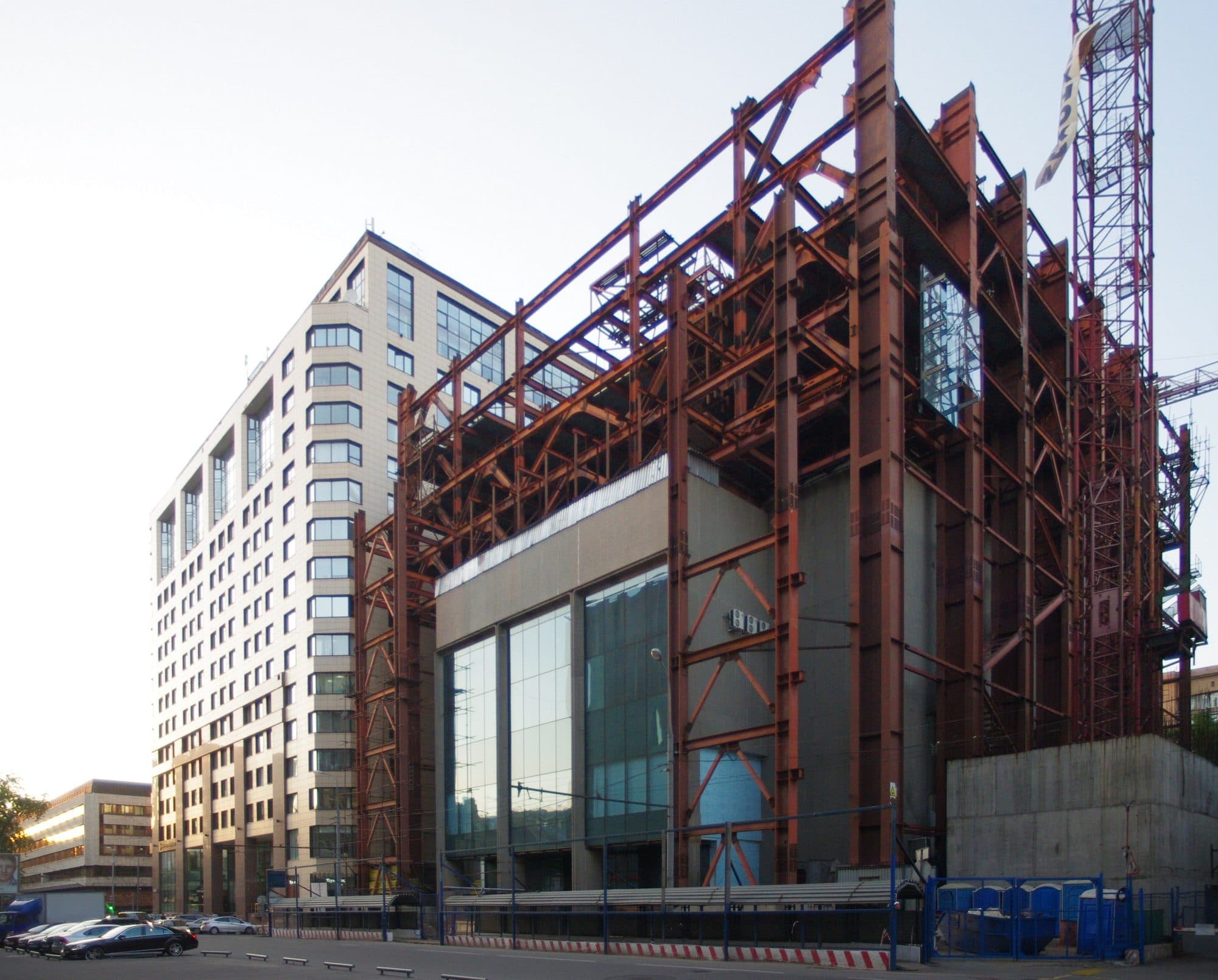
Standards · 6 min read
EN 1090 execution classes (EXC1–EXC4) explained
BS EN 1090 sorts structural steelwork into four execution classes, EXC1 to EXC4, by how serious the consequences of failure would be. EXC1 covers simple, low-risk structures; EXC2 is the default for most buildings; EXC3 covers higher-consequence commercial and multi-storey work; EXC4 is reserved for exceptional structures.
Read the guide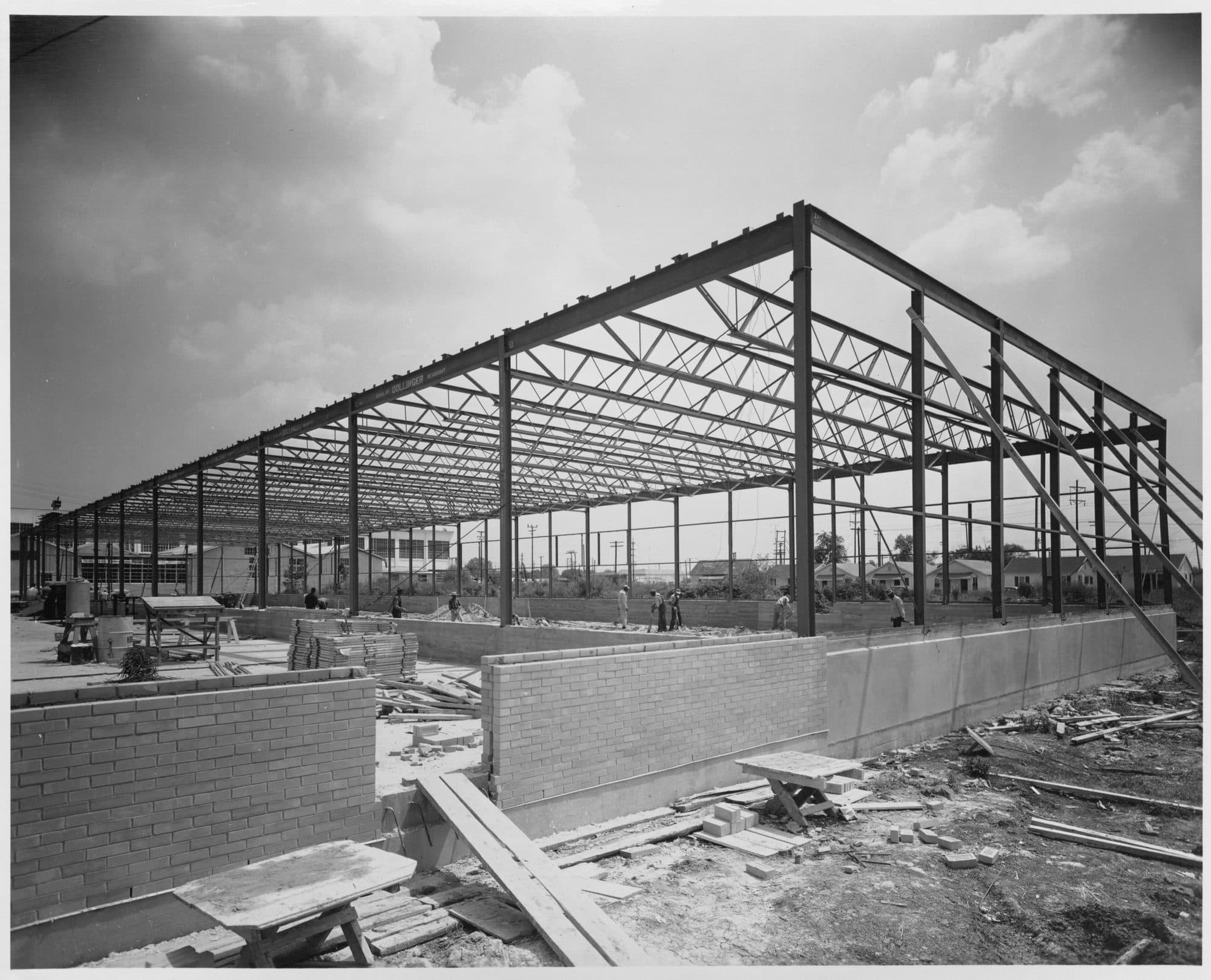
Design · 6 min read
Steel vs concrete frame for commercial buildings
For most commercial buildings a steel frame goes up faster, spans further with less weight and is easier to adapt later; a concrete frame can offer inherent fire resistance, thermal mass and acoustic separation. The right choice depends on programme, spans, height, foundations and budget; it is not a blanket rule.
Read the guide
Cost · 5 min read
Structural steelwork cost per tonne in the UK: what drives it
There is no single price per tonne for structural steelwork in the UK: a light, simple frame and a heavily connected multi-storey one can differ several-fold. Cost per tonne is driven by section complexity, connections, surface treatment, execution class, tonnage and current steel prices, not a fixed rate.
Read the guideDesign · 5 min read
Who is responsible for steel connection design?
On UK projects, steel connection design is either retained by the structural engineer or delegated to the steelwork contractor. Both are valid, but the contract must state which. When it's delegated, the engineer provides the design forces and the fabricator designs the connections to Eurocode 3, for the engineer to check.
Read the guide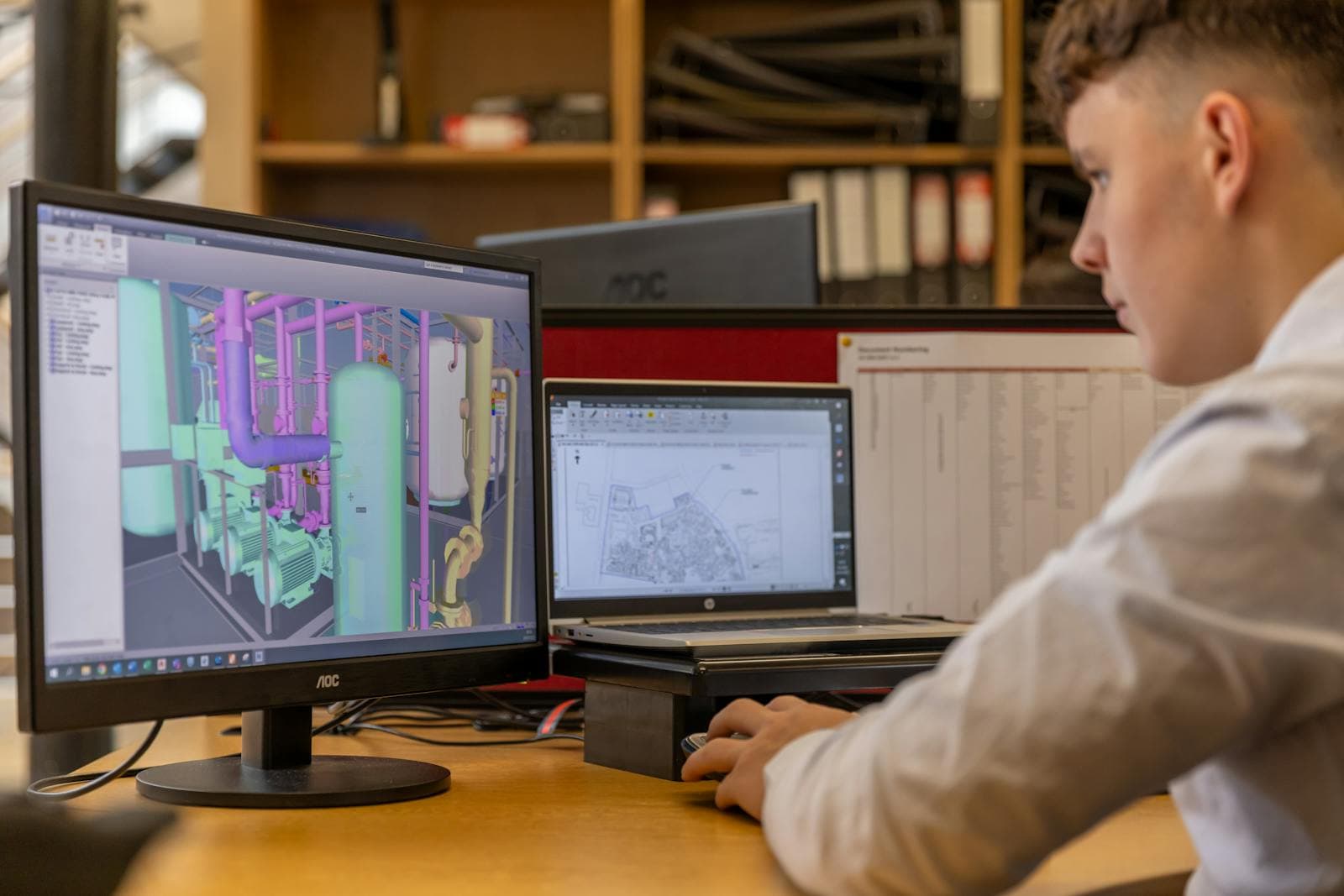
Design · 5 min read
Steel detailing and 3D modelling explained
Steel detailing turns the engineer's design into fabrication-ready information: a 3D model of every member and connection, from which shop drawings and CNC data are produced. It's the stage where clashes and connection problems are caught before any steel is cut, when they cost nothing to fix.
Read the guide
Procurement · 5 min read
Structural steel fabrication and erection timelines
A steel package's programme is a chain of stages: drawing approval, steel procurement, detailing, fabrication, surface treatment, delivery and erection. There's no fixed duration; the real drivers are tonnage, complexity, how fast drawings are approved and mill lead times, and most of those you can influence.
Read the guide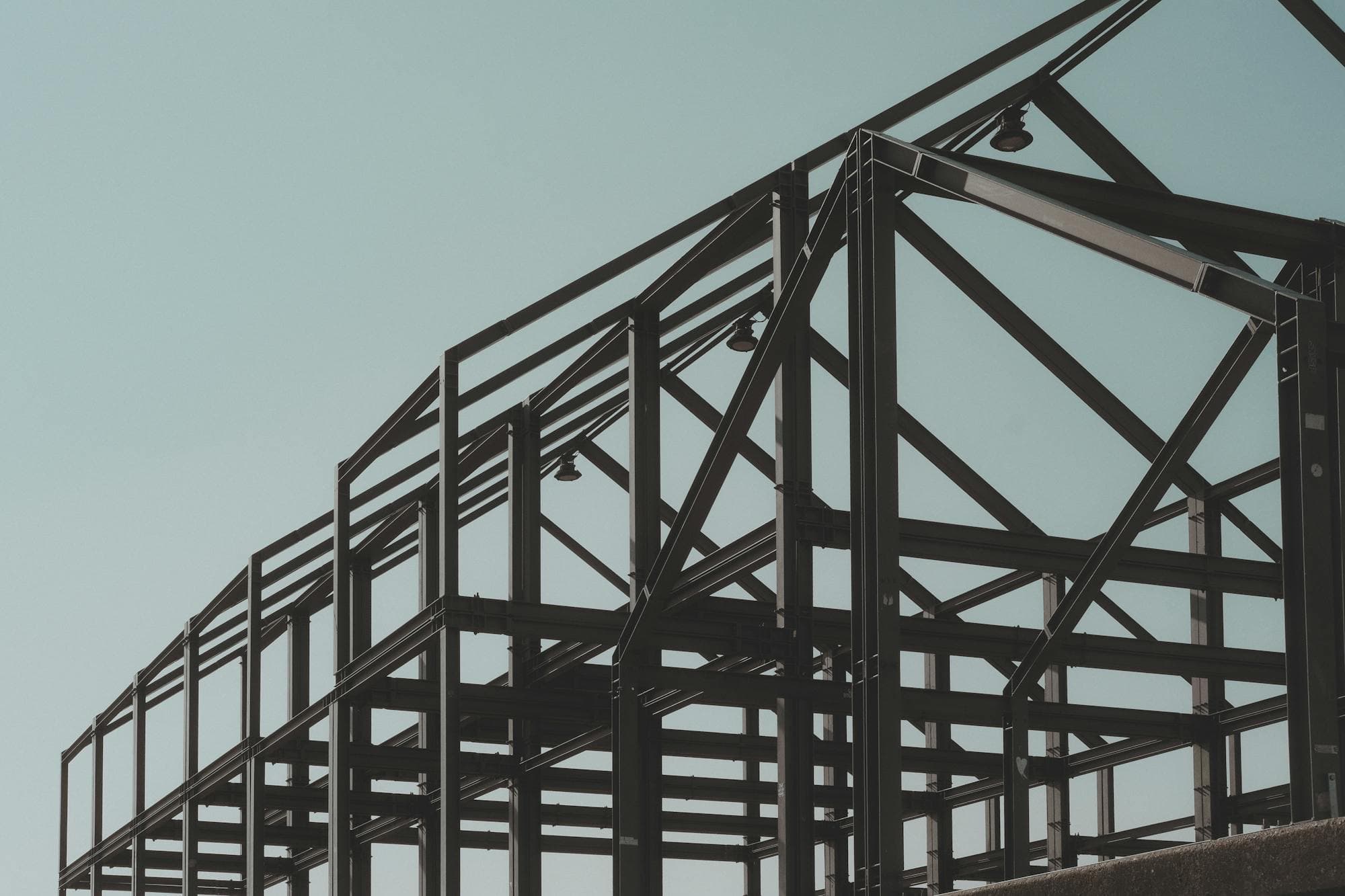
Procurement · 5 min read
How to choose a structural steel subcontractor
When choosing a structural steel subcontractor, check four things above all: BS EN 1090-1 certification at the right execution class, relevant commercial experience, the capacity to hit your programme, and whether they can take detailing, fabrication and erection as one accountable package.
Read the guideStandards · 5 min read
UKCA marking for structural steel, explained for specifiers
UKCA marking is Great Britain's post-Brexit conformity mark, the GB equivalent of CE marking. For structural steelwork it shows the fabricator's factory production control has been assessed against BS EN 1090-1 by an approved body, so the steel can be lawfully placed on the GB market.
Read the guideSectors · 5 min read
Steel frame for warehouses and industrial units
Warehouses and industrial units are almost always steel-framed, usually as portal frames, because steel delivers the long, column-free spans, the clear eaves height and the fast erection these buildings need, with the option to add mezzanines later.
Read the guide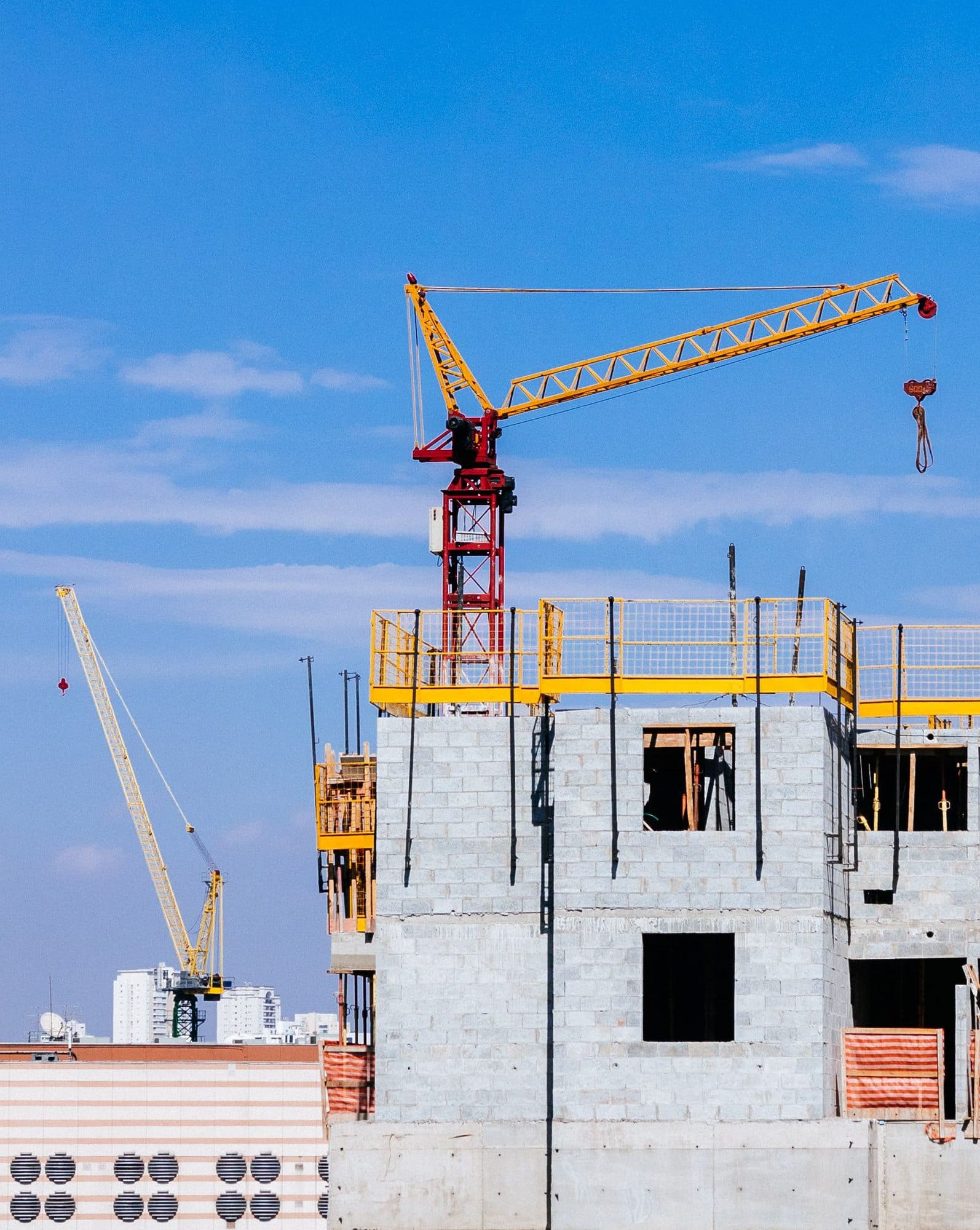
Sectors · 5 min read
Steel frame for residential blocks and apartments
Structural steel suits multi-storey residential because it builds fast, spans far enough for open-plan apartments and flexible ground floors, and works cleanly alongside concrete cores. The trade-offs to design in early are fire protection and acoustic separation between dwellings.
Read the guide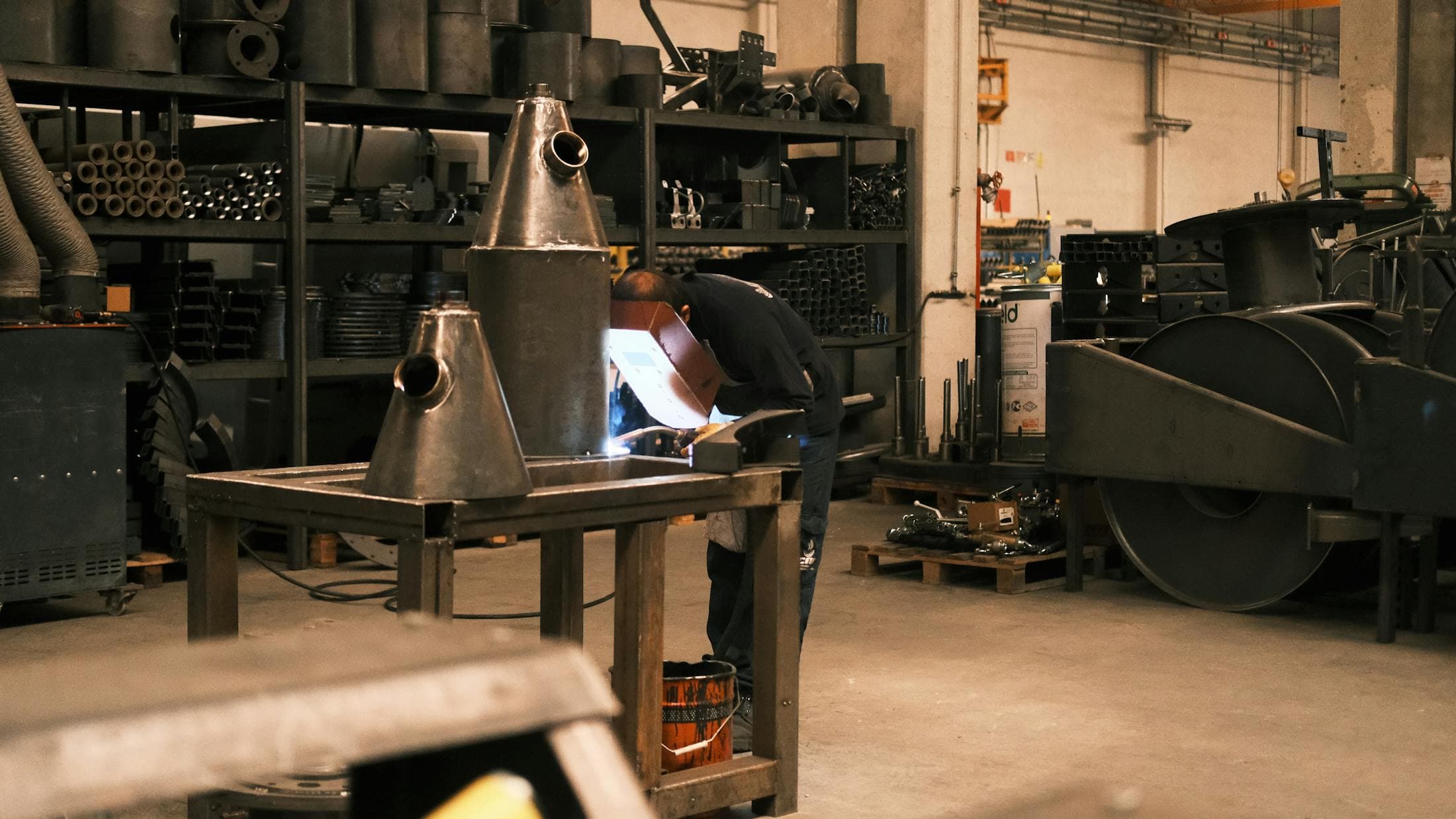
Design · 5 min read
Hot-rolled vs cold-formed steel: what's the difference?
Hot-rolled steel is the heavy, primary structure, the beams and columns that carry a building. Cold-formed steel is light-gauge sections, formed from thin coil, used for purlins, rails and secondary framing. Most commercial frames use both, each where it's most efficient.
Read the guide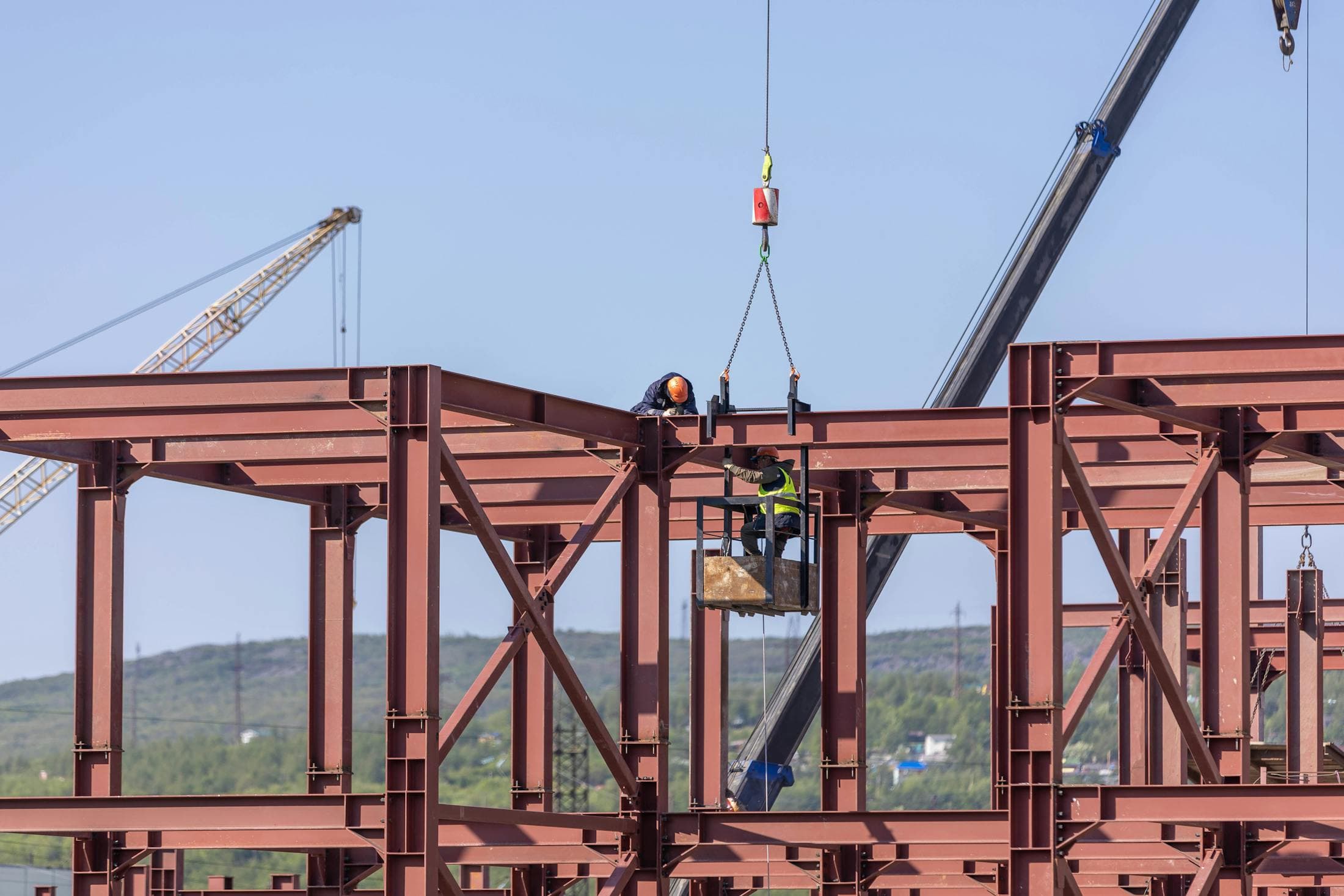
Standards · 6 min read
Fire protection of structural steel in the UK
Structural steel loses strength as it heats, so in most buildings it must be protected to keep its load capacity for a set time in a fire. UK building regulations set that time as a fire-resistance period, and it's achieved with intumescent coating, boarding or spray protection.
Read the guideDesign · 5 min read
Steel mezzanine floors: design, loading and regulations
A steel mezzanine adds a floor inside an existing building, for storage, offices or production, without extending the footprint. The three things that govern it are the design loading, the fire and escape requirements, and building control approval, which most mezzanines need.
Read the guide
Design · 5 min read
Galvanising vs painting: protecting structural steel
Structural steel is protected from corrosion either by hot-dip galvanising, a zinc coating applied by dipping the steel in molten zinc, or by a paint system. Galvanising is durable and low-maintenance; paint offers colour and flexibility. The right choice depends on the environment, appearance and budget.
Read the guideHave a project to price?
Send your architect or engineer drawings (PDF, images or CAD) and we'll come back with a fabrication quote.